


Scientists say dogs need to chew
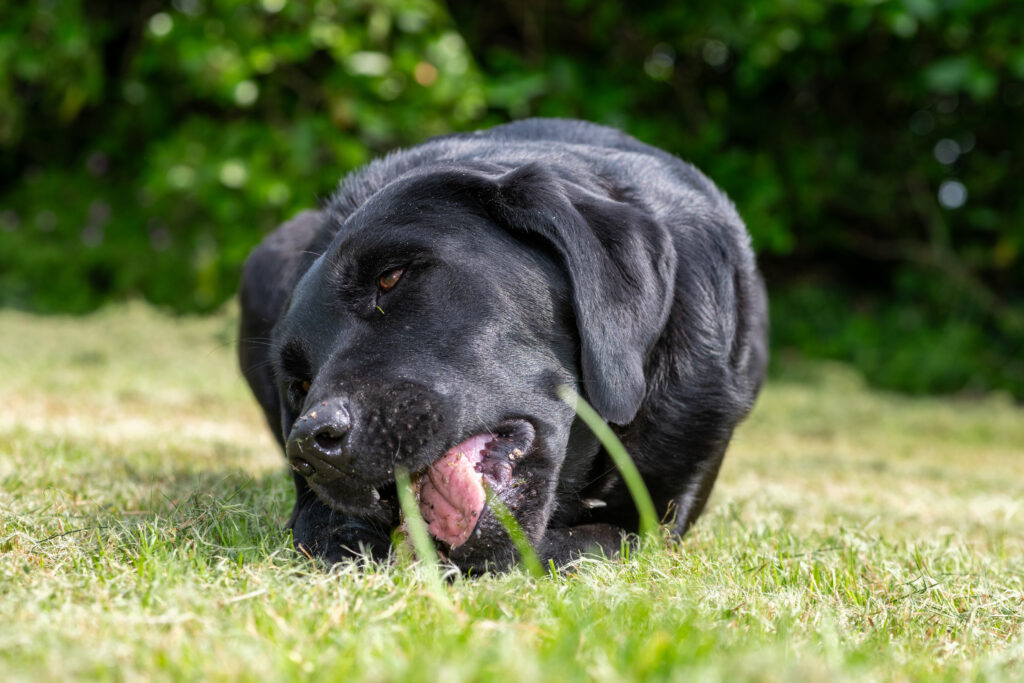
In the wild, dogs spend a lot of their time chewing on bones, carcasses, sticks and kernels. For example, Australian dingoes can feed for up to 108 minutes in a single session.
But most domestic dogs chew far less than their free-roaming counterparts. This is largely because of the introduction of easy-to-eat, processed pet foods such as kibble, which now comprises the majority of domestic dogs’ diet.
This is a problem because although chewing carries some risks, overall it has significant benefits for dogs. As a new review, published in Frontiers in Veterinary Science, demonstrates, it enriches the physical, psychological and emotional health of dogs in many interconnected ways.
Food acquisition and nourishment
Dogs chew primarily to nourish themselves. Their large canine, premolar and molar teeth and wide gape help them to capture and dismember prey. Chewing whole carcasses provides them access to marrow, fibre and minerals that would otherwise be inaccessible. When they are not chowing down on body parts, free-ranging dogs forage on nuts, berries, and insects – a portion of which are also hidden in kernels, shells or exoskeletons and require chewing.
Clean teeth and oral hygiene
Dental disease is one of the most common health issues in companion and kennelled dogs. It is more common in smaller and older dogs. The abrasive action of chewing on hard and fibrous materials helps to remove and prevent the formation of plaque. This reduces bad breath, gum disease, tooth loss and therefore the requirement for dental procedures at the vet clinic. Of course, dogs with existing dental issues might find it impossible to chew. And it is recognised that some dental fractures may arise from chewing.
Gastrointestinal health
Chewing between meals can help facilitate digestion in all mammals. It can also prevent stomach inflammation and stimulate peristalsis (waves of contractions) in the gastrointestinal tract. This helps maintain regular bowel movements and stool consistency.
Healthy microbiome
The action of chewing promotes resident bugs that comprise a healthy microbiome and reduces harmful microbes, both in the oral cavity and in the lower intestine. The microbes of the microbiome work for their own survival and also for that of their dog host, for whom they help maintain healthy oral hygiene and gut health.
Stress management
Chewing stimulates the rest-and-digest elements of a dog’s life and can reduce acute stress. This gives dogs a potential mechanism to manage some of the challenges of both boredom and over-arousal. In this way, providing long-lasting chewables can help to alleviate anxiety associated with challenging situations such as being home alone.
Bone density
Stress is common to all mammals. It causes a release of cortisol, a hormone that can reduce bone density and, over time, lead to osteoporosis. Because chewing makes dogs less stressed, it can help to prevent some forms of osteoporosis by educing corticosteroid concentrations in the blood.
**Read the full article on The Conversation (link provided below).
No Comments