


Dogs see their world through smell – and scientists are starting to translate it like never before
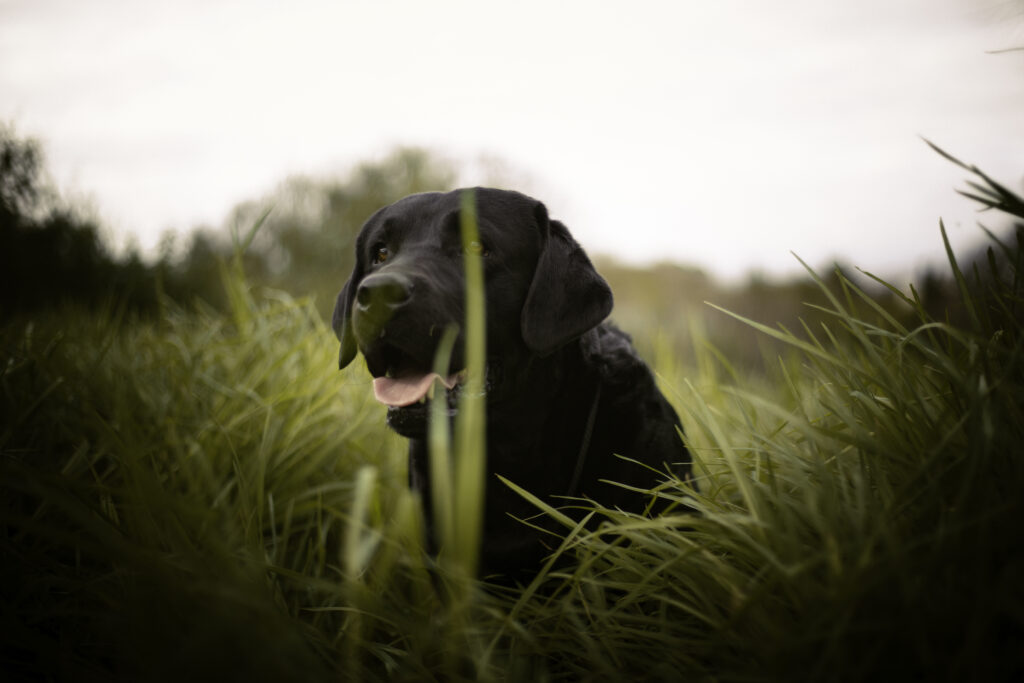
Scent is how dogs largely experience the world, a lot like the way we humans rely on sight. We know little about how dogs interpret scent, but thanks to a recent study, we may be getting closer to understanding what a dog’s nose actually knows.
Dogs are primed to detect smells. The average dog’s nose has more than 10 million scent receptors in their nose, compared to humans, who only have about 6 million.
This makes the canine nose more than 10, 000 times better at detecting scents than we are. They can detect minute quantities of scent. For example, forensic detection dogs can detect 0.01 microlitres of gasolene. A microlitre is one millionth of a litre.
Humans have exploited dogs’ olfactory superpowers in a number of ways, which has no doubt contributed to the deep relationship we have developed with our canine companions over 40,000 years living together.
Dogs still join us as hunting partners, sniffing out food. They work beside us as vital members of crime-fighting teams, finding illicit substances, as medical colleagues for disease detection, and as partners in conservation efforts, finding rare and endangered species.
Despite the widespread involvement of dogs as natural scent detectors, we remain largely oblivious as to how dogs interpret what they smell and how they perceive the world in which they live.
Exploring the brain activity of dogs when they are exposed to specific smells can help identify which of their brain regions are associated with scent detection. This helps scientists understand what the dog is experiencing, which might help us enhance the selection and training of sniffer dogs.
Until now, scientists needed expensive equipment to study dogs’ brains and research methods that required dogs to stay still. This means we know less about the brains of active working dogs who might struggle to remain motionless for long periods. But we can’t simply apply the data from dogs who can cope with sitting still since dog breeds have differences in their training and scenting skills.
The recent study uses a new, cheap and non-invasive method to explore how the canine brain responds to scent. The researchers think that this method – known as AI speckle pattern analysis – will help us identify how dog brains react to scents and what it means for how dogs perceive and respond to the world around them in future research too.
The researchers developed an optical sensor to target three brain areas involved in canine scent discrimination: the amygdala, olfactory bulb and hippocampus. The amygdala is responsible for emotional responses to stimuli. The olfactory bulb is involved with odour processing and the hippocampus is associated with memory formation.
*This article is republished from The Conversation under a Creative Commons license. Read the full article on The Conversation (link provided below).
No Comments