


Genetic drive to overeat found in Labradors and humans
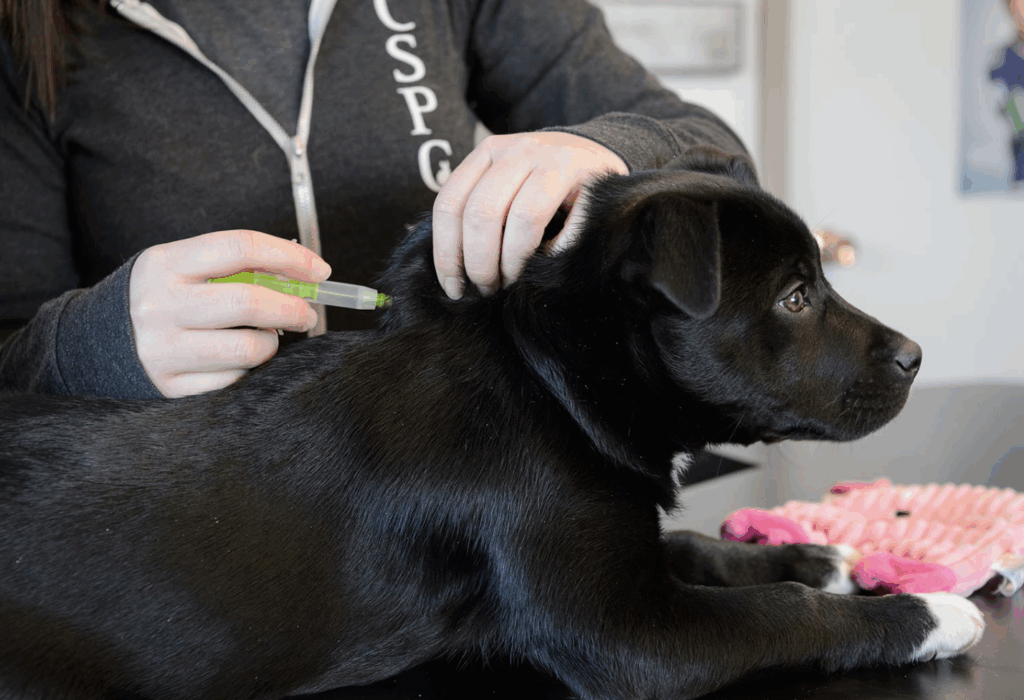
Dogs that are constantly hungry and prone to being overweight share a common bit of biology with some obesity-prone humans.
This is what UK scientists have discovered – identifying a genetic source of many Labradors’ – and some people’s – tendency to overeat.
Researchers found that changes in a particular gene, one of the building blocks of biological code that produces the blueprint for how our bodies work, alters the chemical signals that tell our brains we’ve had enough to eat.
The scientists say their findings, published in the journal Science, reveal something “powerful” about the biology of obesity risk. “By studying dogs, we’ve honed in on some interesting new biology here,” explained lead researcher Dr Eleanor Raffan from the University of Cambridge’s department of physiology, development and neuroscience.
She added that the discovery showed that “owners of slim dogs are not morally superior – and the same is true of slim people”. This canine-human biological link came from the researchers’ examination of the genetics of 250 labradors. The team looked for pieces of genetic code that were common in overweight dogs.
They picked out one gene in particular – called DENND1B – that was associated with a higher body mass in the labradors. And when they searched through a library of genetic information from thousands of humans, they discovered that the same gene was associated with a higher body mass in people, too.
The gene interferes with a brain signalling pathway that helps regulate our appetite. The findings could help in the future development of new drugs to tackle obesity. But the scientists say they reveal how much harder people – and owners of dogs – with this genetic predisposition have to work to offset its effects.
Source: BBCNews
Why fat Labradors can blame their genes
Genes that make humans and Labradors more likely to become obese identified
No Comments