


Navigating the first year of puppyhood
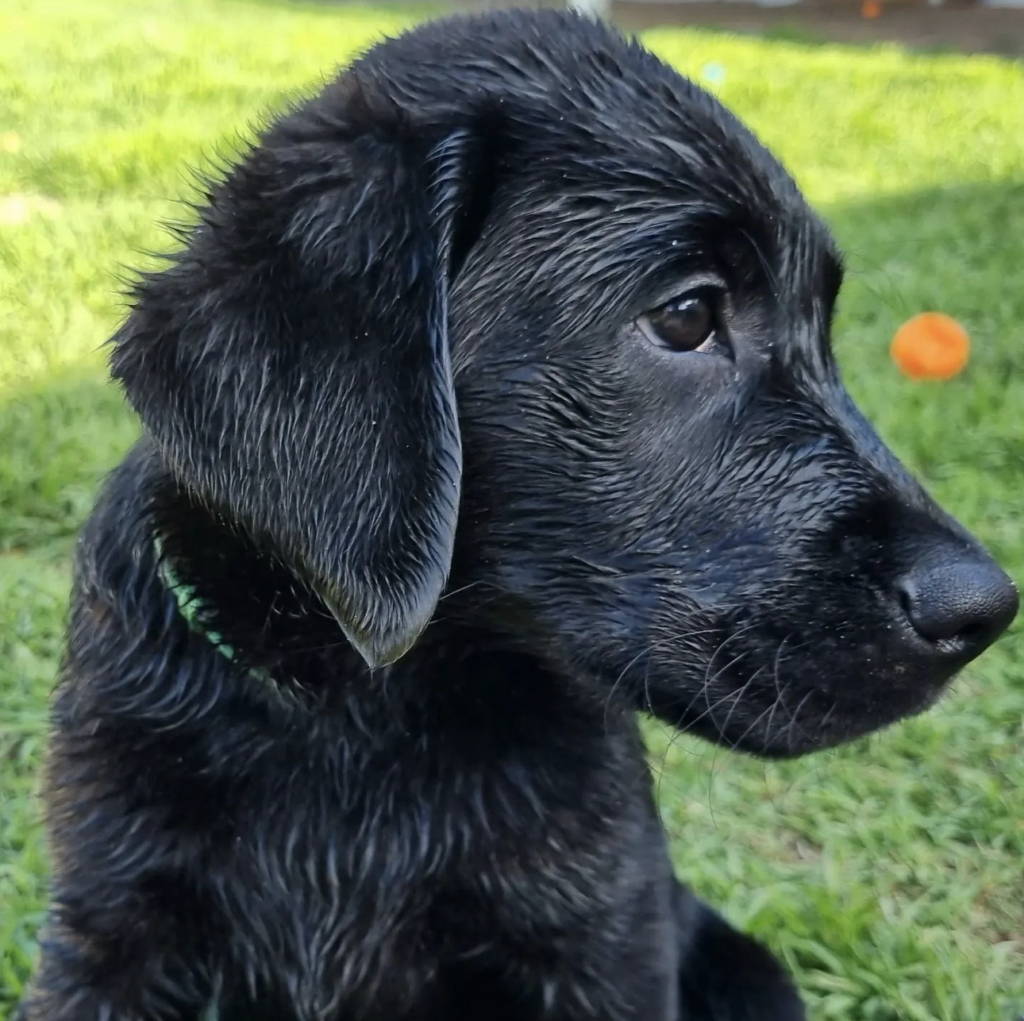
Bringing home a new puppy is an exciting and joyful experience, but it also comes with its fair share of challenges and responsibilities. The first year of owning a puppy is filled with memorable moments, growth, and learning for both you and your new companion.
The puppy basics
- Socialisation
Early socialisation is crucial for a well-adjusted adult dog. Introduce your puppy to various people, places, and experiences to build confidence which will help your companion to be behaviourally more resilient. Always reward your puppy with treats, toys, and praise for positive interactions.
- Training
Start basic training early. Focus on cues like sit, stay, and recall. Positive reinforcement techniques work wonders in encouraging wanted behaviour. Your puppy can start attending a good, force-free socialisation and training class from the age of nine weeks already, so don’t delay!
- House training
Be patient during house training. Puppies have small bladders and need frequent potty breaks. Establish a consistent routine and reward your puppy when they eliminate outside. Never punish your puppy for having an accident inside the house.
Health and care
- Veterinary visits
Regular vet check-ups are essential. Your puppy will need vaccinations, deworming, and preventive medications. Establishing a good relationship with your vet ensures your puppy’s health and well-being.
- Nutrition
Choose a high-quality, age-appropriate puppy food. Follow the recommended feeding guidelines and consult your vet or qualified canine nutritionist for dietary advice. Proper nutrition is vital for your puppy’s growth and development.
- Grooming
Get your puppy accustomed to grooming early. Regular brushing, nail trims, and baths (when necessary) are essential for their hygiene and overall health.
Behavioural milestones
- Teething
Puppies go through a teething phase, which may lead to chewing on various objects. Provide appropriate chew toys to soothe their gums and prevent damage to your belongings.
- Independence and attachment
Your puppy will start to form strong bonds with you and your family. They may also display signs of independence and explore their surroundings with curiosity. Encourage their confidence while providing a secure environment.
Challenges and solutions
- Behavioural challenges
Puppies may exhibit behaviours like digging, barking, or nipping. Consistent training and positive reinforcement can help guide them to learn how to live in harmony with you, while still allowing them to do what they enjoy and need to do to stay emotionally healthy.
- Patience and understanding
Be patient with your puppy. They are learning and adapting to their unfamiliar environment. Positive reinforcement, consistency, and gentle guidance will go a long way in shaping their behaviour.
Building memories and bonding
- Playtime and enrichment
Engage in interactive play and provide mentally stimulating toys. This not only strengthens your bond but also keeps your puppy mentally and physically active.
- Quality time
Spend quality time with your puppy. Walks, cuddles, and gentle training sessions create a keen sense of trust and affection between you and your furry companion.
The first year of owning a puppy is a period of exploration, growth, and building lasting bonds. While challenges may arise, the joy, love, and companionship your puppy brings to your life far outweigh the difficulties. With patience, understanding, and a commitment to positive reinforcement, you will witness your puppy transform into a well-behaved, happy, and cherished member of your family. Embrace the journey, celebrate the milestones, and savour every moment of this remarkable adventure with your new best friend.
**This article was published by COAPE here. Visit the website for more interesting posts about animal behaviour.
-
Humans are bad at reading dogs’ emotions – but we can learn to do better
-
Scientists say dogs need to chew
-
Dogs see their world through smell – and scientists are starting to translate it like never before
Canine research Health Health; Research; Obesity; Science Research Scenting skills
No Comments