


Dog poisoning
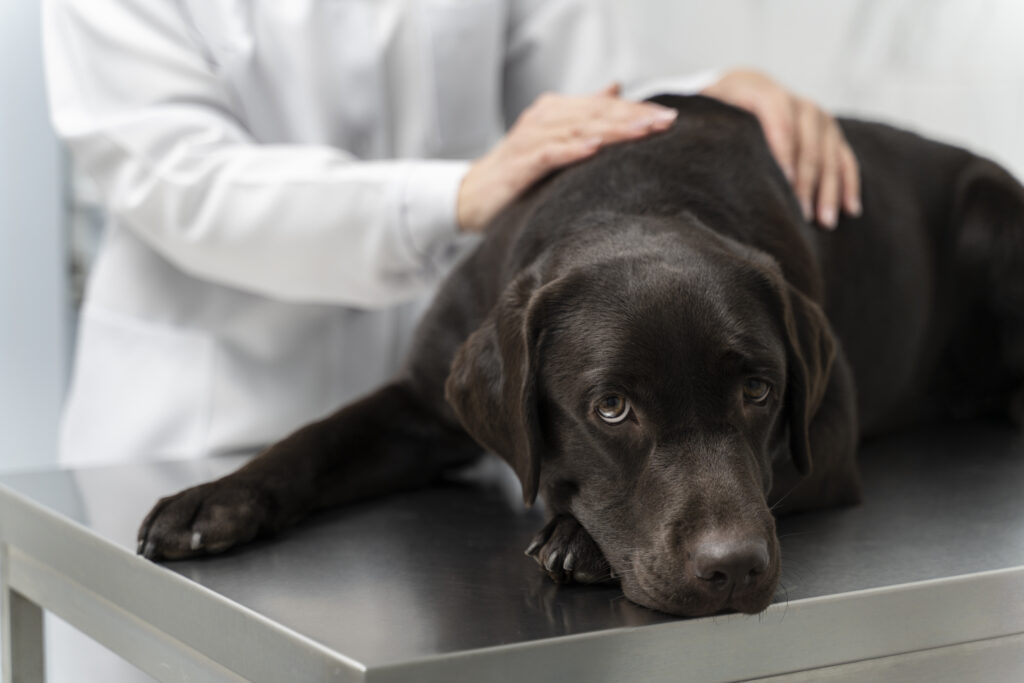
Dog poisoning is more common than you might think. According to Vets Now, pet poisonings are one of the most common emergencies their vets have. Roughly, 9 out of 10 of the poisonings they see happen while pets are in their own home.
During certain seasons, they see cases go up as a result of dogs consuming certain foods. The range of everyday substances that are poisonous to your pet as well as the curious nature of dogs that tend to explore objects by eating them add to the frequency of unfortunate, and often tragic poisoning accidents.
As a dog-owner, it is vitally important to know what is poisonous to your pet, what are the symptoms of poisoning and what to do in the case that your pet is poisoned. Medipet put together a complete guide to best equip you with the tools on what to do if your dog is poisoned, starting with a few basic steps to follow.
Contents: All you need to know about dog poisoning.
- Substances that are poisonous to your dog
- How to tell if your dog is poisoned
- What to do if your dog is poisoned
- How is dog poisoning diagnosed?
- How to prevent my dog from being poisoned
- Vet medical costs for dog poisoning
Substances that are poisonous to your dog
Many of the substances that are poisonous to your dog are self-evident and often poisonous to humans too (like rat poison). However, there is a plethora of dangerous substances that you may not know are poisonous to your dog.
Here is a list of some of the most common substances that could poison your dog:
- Chocolate (the higher the cocoa % the more dangerous it is)
- Mouse and rat poisons (rodenticides)
- Anti-inflammatory medications
- Snail bait (very toxic, and dogs love the taste. They actively will seek it out)
- Mind-altering drugs e.g. marijuana, cocaine, ecstasy, etc
- Mushrooms, onion, garlic
- Certain algae
- Cycad seeds
- Anti-freeze
- Xylitol (sugar-free gum, sweets, & more)
- Grapes & raisins
- Antidepressant medications
- Medications such as paracetamol (e.g., Tylenol or Panado), Ibuprofen, Voltaren, Myprodol, etc
- Vitamins & supplements such as a vitamin D
- Stimulant medications (e.g. for ADD/ADHD)
- Fertilisers
- Household cleaning products
- Fungi, yew trees, acorns, and spring bulbs
- Alcohol and tobacco
- Toxic plants, including syringa, iris, poinsettia
Make sure to avoid and keep these substances away from your dog. Dogs are clever and will sometimes hunt for these foods as they smell and may taste nice, so stay vigilant.
Different substances that are poisonous to your dog draw out different reactions. It is important to understand the signs of dog poisoning so that you can identify poisoning and know what to do if your dog does get poisoned.
How to tell if your dog is poisoned
Even if you do everything to prevent your dog from being poisoned, there is still a risk that they will consume something poisonous to them. If that does happen, knowing the symptoms will help you respond in the best way.
Symptoms can vary from vomiting and breathing difficulties to drooling. Keep in mind that swallowed poisons, for example, result in different symptoms to your dog to those after having inhaled something poisonous. Poisons that have come into contact with your dog’s skin can result in different reactions, such as irritation and pain. An elevated heart rate may also be a general symptom of poisoning. Others include weakness (and even collapse), muscle tremors and reduced pupil size
Knowing the different symptoms may help you have a better idea of what has poisoned your dog. We have divided these into six main groups of symptoms.
Gastrointestinal poisoning symptoms
Eating poisons from rubbish or a poisonous plant can result in a loss of appetite or vomiting in your dog. Certain medications, chocolate and toxic plants can also result in diarrhoea.
Seizures and neurologic poisoning symptoms
If your dog is experiencing seizures or neurologic symptoms, some of the household items that may have caused the reaction are;
- toxic pesticides
- tobacco
- medical drugs
- alcohol
- marijuana
- gasoline
- drain cleaners
- dishwasher detergent
- furniture polish
These symptoms can also be caused by certain frogs, spiders, snakes and plants. If you live in a rural area this risk is increased greatly.
Bleeding and anemia from poisoning
Rat and mouse poisons can cause bruising, nosebleeds, excessive or reduced thirst, blood in the stool and anemia in your dog. Large amounts of onions, garlic, sweet clover, and certain plants can cause the same symptoms.
Heart symptoms from poisoning
There are certain medications and plants that can cause an irregular heartbeat (also known as a heart arrhythmia) and other cardiac problems in your dog. Some of the plants that can cause these symptoms are oleander, milkweed, jimson weed, kalanchoe, and mountain laurel.
Kidney symptoms from poisoning
If your dog consumes anti-freeze or certain plants they could experience kidney failure and the inability to produce urine. Dogs, unfortunately, find anti-freeze quite tasty. Anti-freeze is extremely toxic, causing kidney failure that is often fatal in just a few days. Your dog may appear to feel better and then experience kidney failure after a few days. If your dog consumes anti-freeze, it is important to react quickly by taking them to your vet, and not wait for symptoms to show.
Liver symptoms from poisoning
Certain plants and many medications can cause liver damage to your dog. If your dog is showing any poisoning symptoms the next step is to treat them, and prevent any continued exposure.
What to do if your dog is poisoned
- Stay calm
- Identify the substance that poisoned your dog
- Move the substance away from your dog
- Take your dog to the vet
- Bring any information of the poison to the vet
Bring any information of the poison to the vet
The trade name, the active ingredient, the amount your dog has ingested, and when it was ingested are all important to tell your vet. Make sure to bring a sample, photo, or the packaging of what poisoned your dog, if possible. This will help them quickly diagnose the problem and find the right solution to help treat your dog.
How is dog poisoning diagnosed?
The first priority will be to make sure that your dog is stable before doing any diagnostic tests. The vet will look into what caused the poisoning. This is why it is important to try to identify this yourself and to bring a sample of it with you. They will assess your dog’s condition before deciding on a treatment, which may include attempts to neutralise or remove the poison.
How is dog poisoning treated?
There are a variety of ways that a vet might treat your dog for poisoning. There are antidotes for certain poisons like snake venom, some rat poisons and anti-freeze. Treatment can also include endoscopy, removing poisonous objects, inducing sickness and if needed, surgery.
A vet will ensure to treat your dog’s symptoms while trying to minimise damage to their organs. Once your dog is home safe, you will likely have to follow up with additional medicines and detoxifying substances to ensure they pass all of the poison.
How to prevent my dog from being poisoned
In line with the saying ‘prevention is better than cure’, the best place to start as a pet-owner is to do what you can to prevent your dog from being poisoned in the first place.
Keep poisonous substances out of reach
Don’t leave chemicals or poisons lying around. When you are cooking or eating, make sure that potentially dangerous food does not drop and get eaten by your dog.
Buy pet-friendly products (and plants!)
Use products in your home and garden that are natural, and pet-friendly. Don’t forget to make sure that the plants and flowers you plant in your garden are not harmful to pets.
Make sure everything in your home or garden that is easily accessible to your dog is safe for them to consume. Obviously, in order to prevent your dog from accidental poisoning, knowing the substances that are dangerous is key.
*This is a shortened version of Medipet’s complete guide to dog poisoning. Visit www.medipet.co.za for more information.
No Comments